
Home / Treatments / Medical Dermatology / Eczema & Dermatitis Care
Medical Dermatology
Eczema and Dermatitis Care in Seoul by a Dermatologist
Quick answer
Eczema and dermatitis are inflammatory skin conditions that cause itching, redness, dryness and flaking, and they are best managed with an accurate diagnosis, barrier care and appropriate medication. At The Heal in Jamsil, Seoul, a board-certified dermatologist identifies the type of dermatitis, explains triggers and prescribes a conservative, step-by-step plan. If a flare starts during your trip, message us for an English consultation.
Medically reviewed by Dr. Yang Jeong-hwa , board-certified dermatologist · Updated October 2026
Best options
Diagnosis + barrier care + medication
Visit time
15–30 min
Downtime
None
Timeline
Days to weeks to settle
Types of eczema and dermatitis
Dermatitis simply means inflammation of the skin. Several common forms look similar but have different causes:
- Atopic dermatitis (eczema): chronic, itchy, dry patches, often linked with allergies or asthma, typically in skin folds
- Contact dermatitis: a reaction to something touching the skin, either irritant (such as harsh soaps) or allergic (such as nickel, fragrance or preservatives)
- Seborrheic dermatitis: redness and greasy scale around the nose, eyebrows, scalp and ears
- Hand and eyelid dermatitis: often triggered by frequent washing, products or allergens
Because treatment differs between types, the doctor's first job is to identify which one you have. Some infections and other conditions can mimic dermatitis, so examination matters.
How a dermatologist manages dermatitis
Treatment is usually conservative and stepwise:
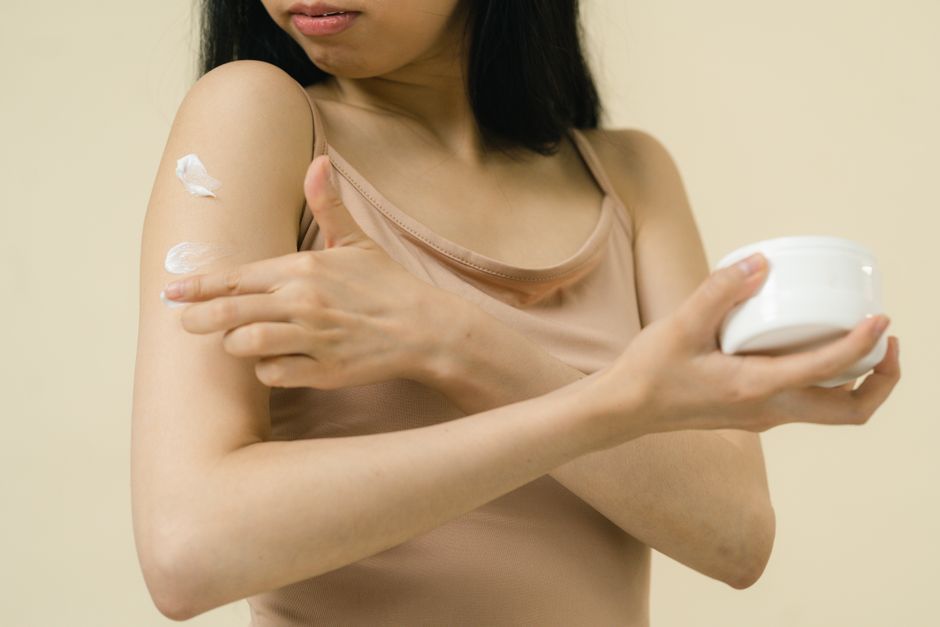
- Barrier care: regular use of fragrance-free moisturizers and gentle cleansing
- Topical anti-inflammatory medication: such as topical corticosteroids of an appropriate strength for a limited time, or non-steroid alternatives for delicate areas
- Antifungal treatments for seborrheic dermatitis when appropriate
- Itch control and advice to protect sleep
- Trigger identification: reviewing products, jewelry, detergents and habits
For severe or widespread disease, the doctor may discuss further options or refer you to a specialized center. The aim is to calm the flare and then keep skin stable with as little medication as possible.
Who should see a dermatologist?
See a dermatologist if itching or rash persists beyond a week or two, keeps returning, disturbs sleep, affects the face or eyelids, or does not respond to over-the-counter creams. Seek prompt care if skin becomes painful, weeps, crusts or shows signs of infection, or if you feel unwell.
Tell the doctor if you are pregnant or breastfeeding, as this affects medication choice. Bring the products you use, or photos of their ingredient lists, especially if you suspect a reaction. Results vary, and eczema is often a long-term condition that improves with consistent care rather than a single treatment.
Living with sensitive, eczema-prone skin
Daily habits make a real difference. Short, lukewarm showers, gentle cleansers and moisturizing within a few minutes of bathing help protect the barrier. Choose fragrance-free products and soft, breathable fabrics, and keep nails short to limit scratching damage.
Eczema-prone skin can still have cosmetic treatments, but timing matters. The doctor usually treats active dermatitis first, then plans procedures when skin is calm. Our sensitive skin care program and skin barrier recovery pages explain gentle options. Wearing gloves for wet work and cleaning products protects hand eczema, and cool compresses can ease itch during a flare.
Flare-ups while traveling in Seoul
Travel can trigger flares through dry air, temperature changes, new detergents in hotels and unfamiliar skincare. If your skin flares during your trip, a consultation during your stay can help you get it under control so it does not spoil your stay. We explain your diagnosis and treatment in English and give clear instructions for continuing care at home.
Medications prescribed in Korea may have different brand names from those at home, so the doctor will note the active ingredients for you. To arrange a visit, get in touch here . Our follow-up care guide explains next steps after you leave.
The Heal approach
We focus on getting the diagnosis right and using the gentlest effective treatment, so flares settle and your skin stays calm with minimal medication.
Expert review
Dr. Yang Jeong-hwa
Medical Director · Board-certified dermatologist · Seoul National University College of Medicine
Written for international patients and reviewed for medical accuracy. Individual results vary; your plan is decided in person after a skin assessment. Our review policy
Visit us
The Heal Dermatology Clinic Jamsil
4F, 329 Olympic-ro, Songpa-gu, Seoul, Korea
5 min walk from Jamsil Station (Line 8), Exit 9
Mon & Fri 10:00–20:00
Tue–Thu 10:00–19:30
Sat 09:30–16:00 · Sun & holidays closed
International patients
Visiting Seoul? Get your plan before you fly.
English consultations with a board-certified dermatologist, 5 minutes from Jamsil Station. Treatments are scheduled around your downtime and flights. International patient guide
1
Message us
Concerns, optional photos and travel dates via form or KakaoTalk.
2
Get your plan
Suggested treatments and timing around your flights.
3
Consult & treat
In-person assessment with Dr. Yang in English, then treatment.
Frequently asked
Eczema & Dermatitis Care: your questions answered
Are steroid creams safe for eczema?
Topical corticosteroids are a standard, effective treatment when used at the right strength, on the right area and for the right length of time. The doctor explains exactly how to use them and when to stop.
Can eczema be cured?
Atopic eczema is usually a long-term condition that comes and goes, but it can often be controlled well. Contact dermatitis may clear completely once the trigger is identified and avoided.
Can I get a prescription as a tourist?
Yes. After examining you, the doctor can prescribe medication that you can collect at a local pharmacy. We write down the active ingredients so you can continue treatment at home.
Can I have cosmetic treatments if I have eczema?
Usually yes, once active eczema is under control. The doctor avoids treating inflamed areas and adapts settings and aftercare for sensitive skin. Many patients combine medical and cosmetic care over time.
Keep exploring
Related treatments & guides
English consultations in Jamsil, Seoul
Get itchy, irritated skin under control with a clear plan
Send your photos and travel dates. We reply with a personalised plan before you fly.