
Home / Skin Concerns / Freckles
Skin Concerns
Freckles in Seoul: Causes, Assessment and Laser Options
Quick answer
Freckles are small, flat brown spots caused by sun-triggered melanin in genetically prone skin, and they usually fade well with pigment lasers such as pico or Q-switched devices. At The Heal in Jamsil, Seoul, a dermatologist first confirms they are true freckles rather than melasma or sun spots, then plans gentle sessions. Freckles can return with sun exposure, so daily sunscreen matters.
Medically reviewed by Dr. Yang Jeong-hwa , board-certified dermatologist · Updated October 2026
Best options
Pico or spot laser
Sessions
Often 1–3
Downtime
Small crusts, about 1 week
Recurrence
Possible with sun
What causes freckles?
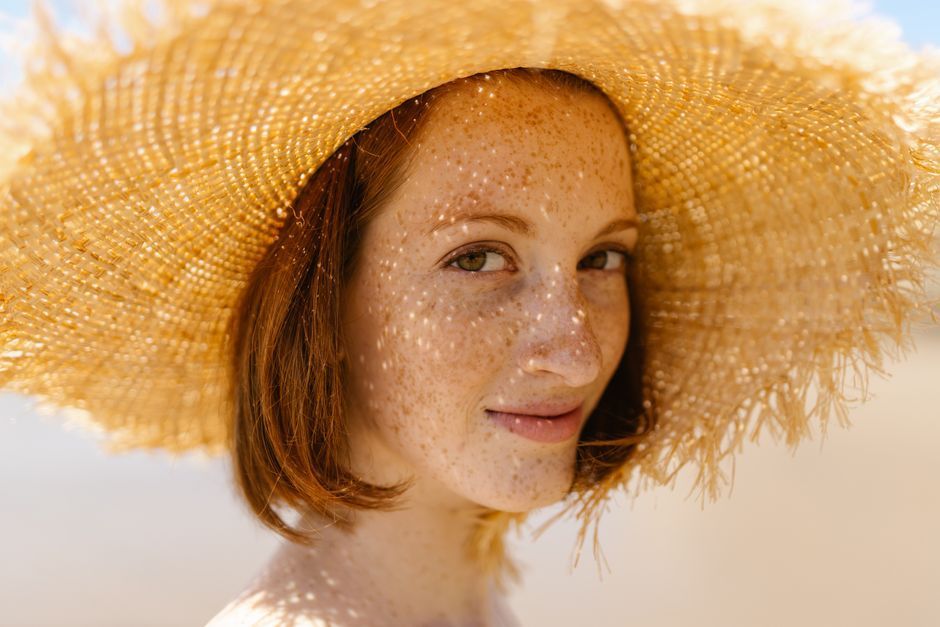
Freckles (ephelides) are tiny, flat, light-to-mid brown spots that appear on sun-exposed skin, most often across the nose and cheeks. They are largely genetic: people with fair skin and certain pigment genes produce extra melanin in small clusters when UV light hits the skin. That is why freckles typically appear in childhood, darken in summer and lighten in winter.
Freckles are harmless, but many adults want a clearer, more even complexion. Because sunlight keeps reactivating the same pigment cells, treatment works best when it is paired with consistent sun protection rather than treated as a one-off fix.
How does a dermatologist assess freckles?
Not every brown spot is a freckle. During your consultation the doctor examines the size, color, depth and pattern of your spots, often with magnification, to tell freckles apart from look-alikes:
- Sun spots (solar lentigines): larger, darker and persistent year-round
- Melasma: blurry patches that can worsen with aggressive lasers
- Moles or seborrheic keratoses: raised or textured lesions that need a different approach
Getting this right matters, because the wrong energy setting can trigger rebound darkening. Any spot that is changing, irregular or bleeding is checked before any cosmetic treatment is considered.
Treatment options at The Heal, ranked by suitability
- Pico laser (PicoK) — ultra-short pulses shatter fine pigment with relatively little heat; a strong first choice for classic freckles.
- Freckles & sunspot removal — targeted spot treatment for clearly defined freckles, usually with small temporary crusts.
- StarWalker laser — a multi-wavelength Q-switched platform that lets the doctor match wavelength to pigment depth.
- Laser toning — low-energy sessions for faint, scattered freckles or when melasma is also present.
Your doctor may combine options, for example spot treatment first and toning later to even out residual shade.
Sessions are typically spaced about four weeks apart so the skin can settle and the doctor can judge how much pigment remains.
Home care and keeping freckles away
After laser treatment, small dark crusts form over treated spots and flake off on their own within about a week. Let them fall naturally, keep the skin moisturized and avoid scrubs or peels until healed.
- Use a broad-spectrum SPF 50 sunscreen daily and reapply outdoors
- Add a hat and sunglasses on bright Seoul days
- Consider brightening ingredients such as vitamin C or niacinamide once skin has healed
For more practical tips, see our guide to sun protection in Seoul . Results vary, and some freckles may return with sun exposure, so occasional maintenance is common.
When should you see a doctor?
Book an assessment if you are unsure whether your spots are freckles, if new spots appear suddenly in adulthood, or if any spot changes in size, shape or color. A dermatologist can also advise if you have a history of melasma, darker skin or post-inflammatory pigmentation, since these change how lasers should be used. You can read more in our page on lasers for darker skin tones .
If you are visiting Seoul for a short stay, plan freckle treatment early in your trip so the crusts have time to clear before important events or flights.
The Heal approach
We confirm every spot is a true freckle before treating, then choose the gentlest wavelength that clears it, so your skin tone stays calm and even.
Expert review
Dr. Yang Jeong-hwa
Medical Director · Board-certified dermatologist · Seoul National University College of Medicine
Written for international patients and reviewed for medical accuracy. Individual results vary; your plan is decided in person after a skin assessment. Our review policy
Visit us
The Heal Dermatology Clinic Jamsil
4F, 329 Olympic-ro, Songpa-gu, Seoul, Korea
5 min walk from Jamsil Station (Line 8), Exit 9
Mon & Fri 10:00–20:00
Tue–Thu 10:00–19:30
Sat 09:30–16:00 · Sun & holidays closed
International patients
Visiting Seoul? Get your plan before you fly.
English consultations with a board-certified dermatologist, 5 minutes from Jamsil Station. Treatments are scheduled around your downtime and flights. International patient guide
1
Message us
Concerns, optional photos and travel dates via form or KakaoTalk.
2
Get your plan
Suggested treatments and timing around your flights.
3
Consult & treat
In-person assessment with Dr. Yang in English, then treatment.
Frequently asked
Freckles: your questions answered
Can freckles be removed permanently?
Laser can clear existing freckles very effectively, but the tendency to freckle is genetic. With sun exposure new freckles can form or old ones can darken again, so daily sunscreen and occasional touch-ups help maintain results.
How many sessions do freckles need?
Many well-defined freckles respond in one to three sessions spaced about four weeks apart. Faint or widespread freckles, or skin that also has melasma, may need a longer series of gentler treatments.
Will I have visible marks after freckle laser?
Treated spots usually darken and form tiny crusts that flake off in roughly five to seven days. Most people can wear makeup around them after the first day or two, depending on the doctor's advice.
Is winter a better time to treat freckles?
Many patients prefer autumn and winter because UV exposure is lower and freckles are lighter, which helps healing. Treatment is possible year-round with strict sun protection afterward. Plan at least a few weeks of careful sun protection.
Are freckles the same as sun spots?
No. Freckles are small, genetic and fade in winter, while sun spots are larger, darker and stay year-round as a result of cumulative sun damage. Both respond to pigment lasers but settings differ.
Keep exploring
Related treatments & guides
English consultations in Jamsil, Seoul
Clear your freckles with a dermatologist in Seoul
Send your photos and travel dates. We reply with a personalised plan before you fly.